
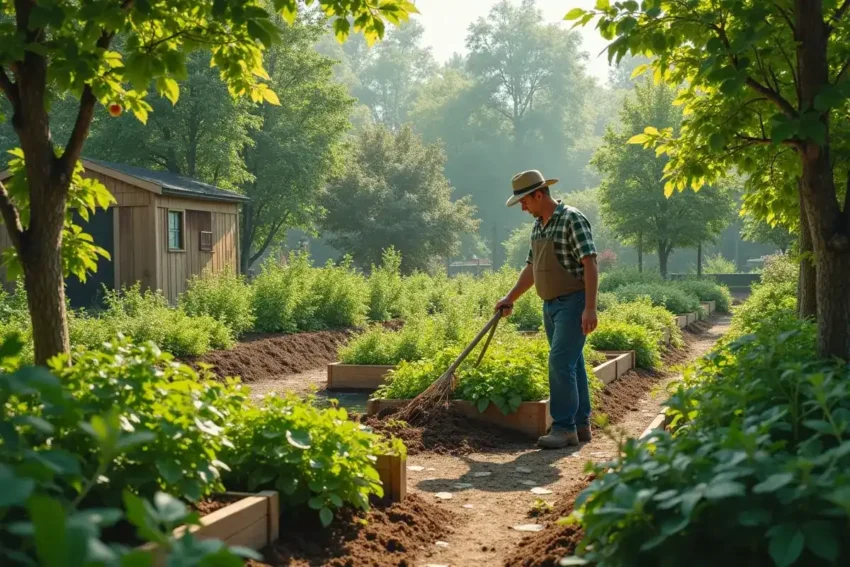
The garden has long been a place of quiet refuge, a splash of color against the suburban canvas. But what is mastering your garden? What if your plot of land could not only offer beauty and tranquility but also become a powerhouse of productivity, feeding your family and nurturing local ecosystems? This is the core of mastering your garden: creating a space that is both an edible landscape and a vital sanctuary for native flora and fauna.
This isn’t about working harder; it’s about working smarter, leveraging the principles of nature to build a resilient, low-maintenance, and abundant garden that truly thrives.
The Productive Landscape: Feeding Yourself
A productive garden starts with a fundamental shift in perspective, moving from a decorative space to an edible ecosystem. Maximizing your food yield involves strategic planning, soil enrichment, and smart plant choices.
Designing for Maximum Yield
The secret to abundant harvests often lies in the initial design. Forget neat, single-row vegetable patches and think about intensive gardening methods:
- Square Foot Gardening: This technique breaks the garden into small, manageable square-foot sections, allowing for much denser planting than traditional rows. It minimizes wasted space and soil disturbance.
- Vertical Gardening: Utilizing trellises, arbors, and walls for vining crops (cucumbers, beans, squash) drastically increases yield in small spaces and improves air circulation, which helps prevent disease.
- Succession Planting: Plan to plant new crops as soon as you harvest old ones. For example, plant a second round of lettuce or radishes in the space freed up by early spring peas. This ensures a continuous harvest throughout the growing season.
The Foundation: Building Super Soil
The health of your plants is directly proportional to mastering your garden and the health of your soil. Productive gardening is synonymous with soil stewardship.
- Compost is King: Enriching your soil with organic matter like compost improves its structure, water retention, and nutrient capacity. It’s the single most impactful action you can take. You can even start your own simple compost system right in your yard.
- Minimize Disturbance (No-Till): Excessive tilling breaks down the soil’s structure and disrupts the crucial microbial life that makes nutrients available to your plants. Try to disturb the soil as little as possible, which helps sequester carbon and build healthier soil over time.
- Smart Feeding: Rather than relying on synthetic, quick-fix fertilizers, focus on slow-release, natural nutrients that feed the soil biome. For those looking for solutions that enhance nutrient uptake and promote sustainable growth, specialized products for the home garden can be a great resource. You can explore options for sustainable plant nutrition at Mil Agro Inc.
Water Wisdom: Efficiency is Key
Water is a precious resource. A productive garden is an efficient one.
- Drip Irrigation: Installing a simple drip or soaker hose system delivers water directly to the plant roots, minimizing evaporation and saving significant amounts of water compared to overhead sprinklers.
- Mulch, Mulch, Mulch: A 2-3 inch layer of organic mulch (wood chips, straw, shredded leaves) around your plants insulates the soil, dramatically reducing water evaporation and suppressing weeds, which compete with your food crops for moisture and nutrients.
The Ecological Garden: Embracing Native Plants
Mastering your garden isn’t just about what you take out (food); it’s also about what you put back in (ecological support). Incorporating native plants is the most powerful way to transform your garden into a functioning part of the local ecosystem.
Why Native Matters
Native plants are species that have evolved over thousands of years to thrive in your specific region and climate. This deep adaptation offers three profound benefits:
- Low Maintenance & Water Savings: Because they are perfectly suited to the local environment, established native plants rarely need supplemental watering, fertilizers, or pesticides. This dramatically reduces your time, effort, and utility costs.
- Supporting Local Wildlife: Native plants form the base of the local food web. They are the only food sources that local insects, birds, and other wildlife have evolved to eat and rely upon for survival. For example, a non-native ornamental tree might look nice, but a native oak or milkweed is a necessary host for hundreds of species of caterpillars—which are essential food for baby birds.
- Biodiversity Hotspot: Shifting just a portion of your yard to native species helps combat the global decline in biodiversity by creating a small, vital habitat patch right where you live. For excellent information and resources on why native plants are crucial for a healthy planet, visit an organization like Wild Ones: Native Plants, Natural Landscapes.
Integrating Natives into Your Landscape
You don’t have to rip out everything and start over. Integrating native plants can be a gradual, aesthetically pleasing process.
- Replace Lawn with Habitat: Start by reducing the size of your traditional lawn, which requires a huge amount of water and maintenance, and replace it with a native plant bed. Native grasses, groundcovers, and wildflowers require far less attention and provide ecological value.
- Layer the Landscape: Mimic natural plant communities by creating layers: canopy (small native trees), understory (native shrubs), and groundcover (native perennials and wildflowers). This maximizes the number of plant species you can fit in a space and offers diverse habitats.
- The Right Plant, The Right Place: Research your specific growing conditions (sunlight, soil type, moisture) and choose truly local native species that fit those conditions. This ensures they thrive without fuss. If you’re looking for professional help in designing a landscape that beautifully incorporates low-maintenance native elements, consider reaching out to residential design experts like Jones Outdoors.
Harmonizing the Garden: Where Edibles Meet Natives
The most advanced level of garden mastery is creating a poly-culture where your productive food plants and your ecological native plants work together. This is the essence of a truly sustainable, low-effort, high-reward garden.
Beneficial Relationships: Companion Planting
- Attracting Pollinators: Many food crops rely on pollination (tomatoes, squash, berries, peppers). Planting native flowers near your vegetables ensures a consistent population of local bees and butterflies that will move between your native area and your food crops, dramatically increasing your yields.
- Natural Pest Control: Use native flowering plants, especially those in the aster family (like native sunflowers or coneflowers), to attract beneficial insects such as ladybugs, lacewings, and parasitic wasps. These natural predators will help keep pests like aphids and caterpillars in check, reducing or eliminating the need for chemical sprays.
Edible Natives: The Best of Both Worlds
Look for native plants that are also edible for humans! This is the ultimate win-win, maximizing productivity and ecological support simultaneously.
- Native Berries: Serviceberry (Amelanchier spp.) and highbush blueberry (Vaccinium corymbosum) are beautiful native shrubs that provide delicious fruit for you and vital food for birds.
- Wild Greens: Fiddleheads (certain ferns) or various wild onions and ramps can be cultivated or sustainably foraged if you know your local species.
- Native Nuts: Pecans, walnuts, and hickories provide a perennial, long-term food source while offering crucial habitat and shade.
A New Vision for Your Backyard
Mastering your garden isn’t a destination; it’s an ongoing journey of observation, experimentation, and partnership with nature. By moving beyond the traditional ornamental garden and embracing methods that enrich your soil and incorporate native plants, you create a space that is more than just a yard. It becomes a productive, beautiful, and ecologically significant haven—feeding your family, supporting local wildlife, and making your small corner of the world a healthier place for everyone.
Start small, observe your successes, and let the natural processes guide you. Your garden will reward you with a bounty that goes far beyond the dinner plate.